
In this second installment of a series on Copenhagen, Jane O’Loughlin checks out the city’s famous cycling culture.
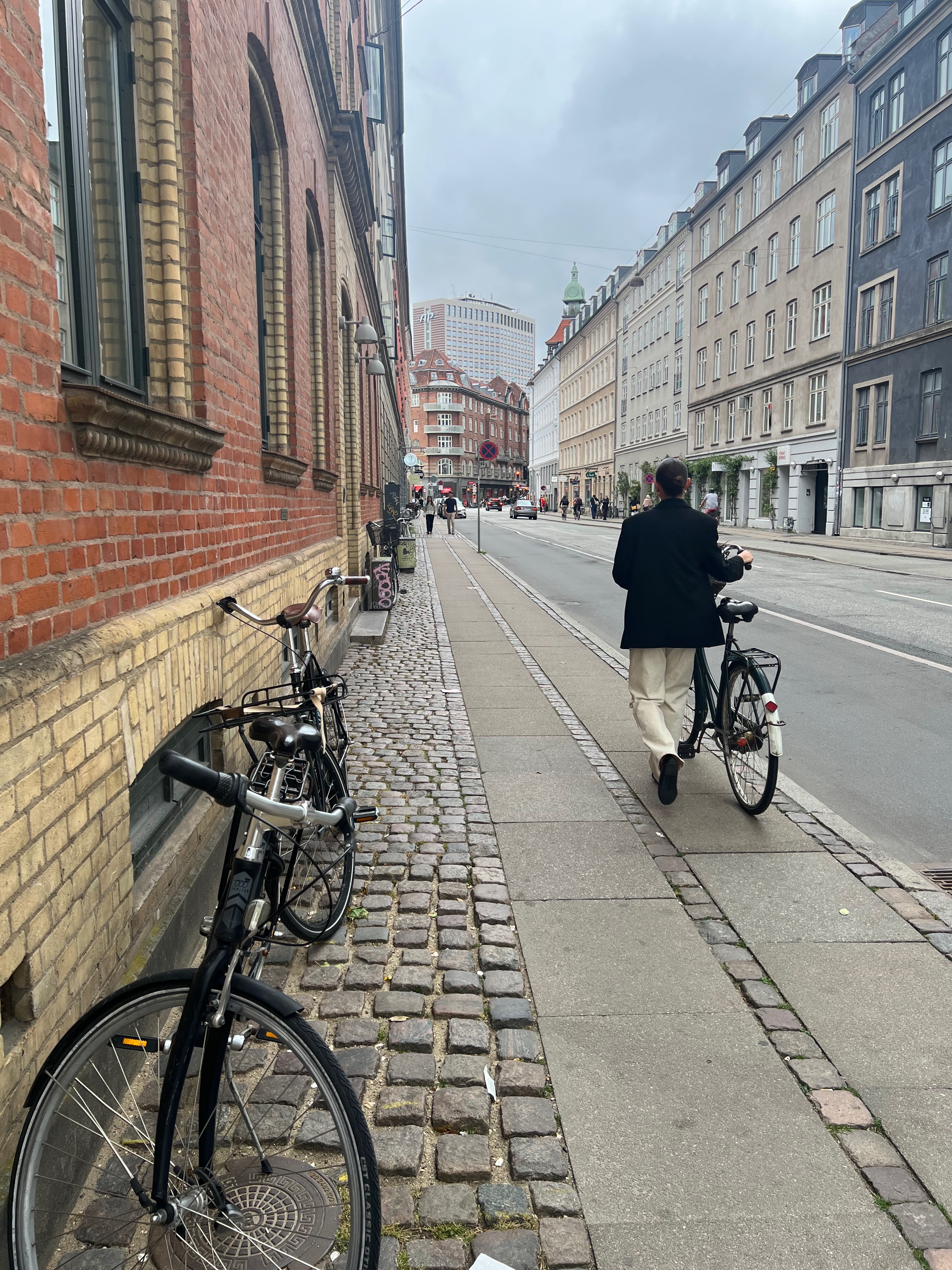
On my second day in Copenhagen I had booked a bike tour of the city, but due to some other commitments I ended up running late. I had planned to get the Metro (subway) to the meeting point for the tour but I got lost at the station and couldn’t find the right Metro line. As time ticked away I got panicky, and was about to give up. Google directions told me the fastest way to get to my destination was by bike, so I ran back out of the station and looked around for the nearest hire bike. Fortunately there was an e-bike I could hire with my Uber app – I was away!
Having never ridden a bike in Copenhagen, here I was suddenly hurtling through the cobblestone streets of the inner city, one hand on the handlebars and the other holding my phone as I navigated solely by following Google’s blue line.
I’m sure I broke all of Denmark’s strict cycling etiquette, but I actually had quite a good time. The riding was easy, and the streets were safe and free from fast vehicles. Apart from a few hair-raising moments when I accidentally rode on the wrong side of the road, I arrived unscathed but puffing at my destination just as the group was about to leave.
I tell this anecdote as it illustrated to me, quite clearly, how efficient the bicycle is in getting around the city of Copenhagen. If I had tried to take a taxi or Uber I would never have made it.
But this is because that’s how the city has been engineered.
Streets either have well-protected cycleways or if they are a shared space, cars must travel slowly. There are streets and even bridges just for cyclists and pedestrians.
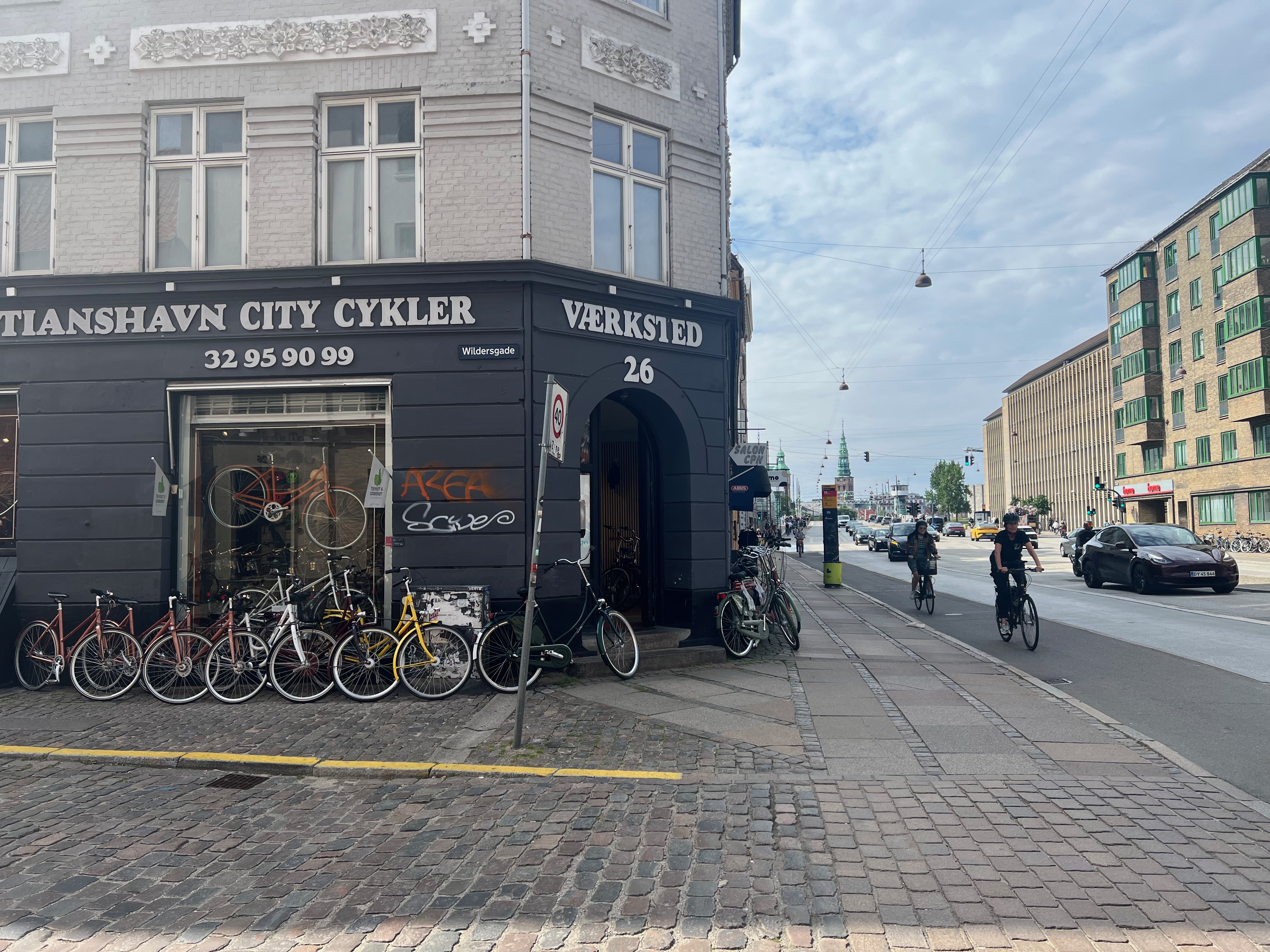
The main restriction on cyclists is keeping them away from pedestrians – there were a few areas where my power faded on the bike – I suspect the geolocator knew I was in a pedestrian area where I was supposed to be walking and shut my electric bike down.
So Copenhagen is a cyclist’s dream; that’s all well and good but is Copenhagen’s embrace of the bicycle something Wellington could emulate – is it possible, and is it desirable?
The first thing people will say is that we don’t have the right weather. It’s true that Wellington’s annual rainfall is higher than Copenhagen’s, and no doubt our wind is stronger, but their weather is not Mediterranean. It’s a Scandinavian country and the city gets up to 25 days of snow a year. The popular wet weather brand Rains comes from Denmark. In short, they are sturdy people who are prepared to cope with weather – just like Wellingtonians, right?
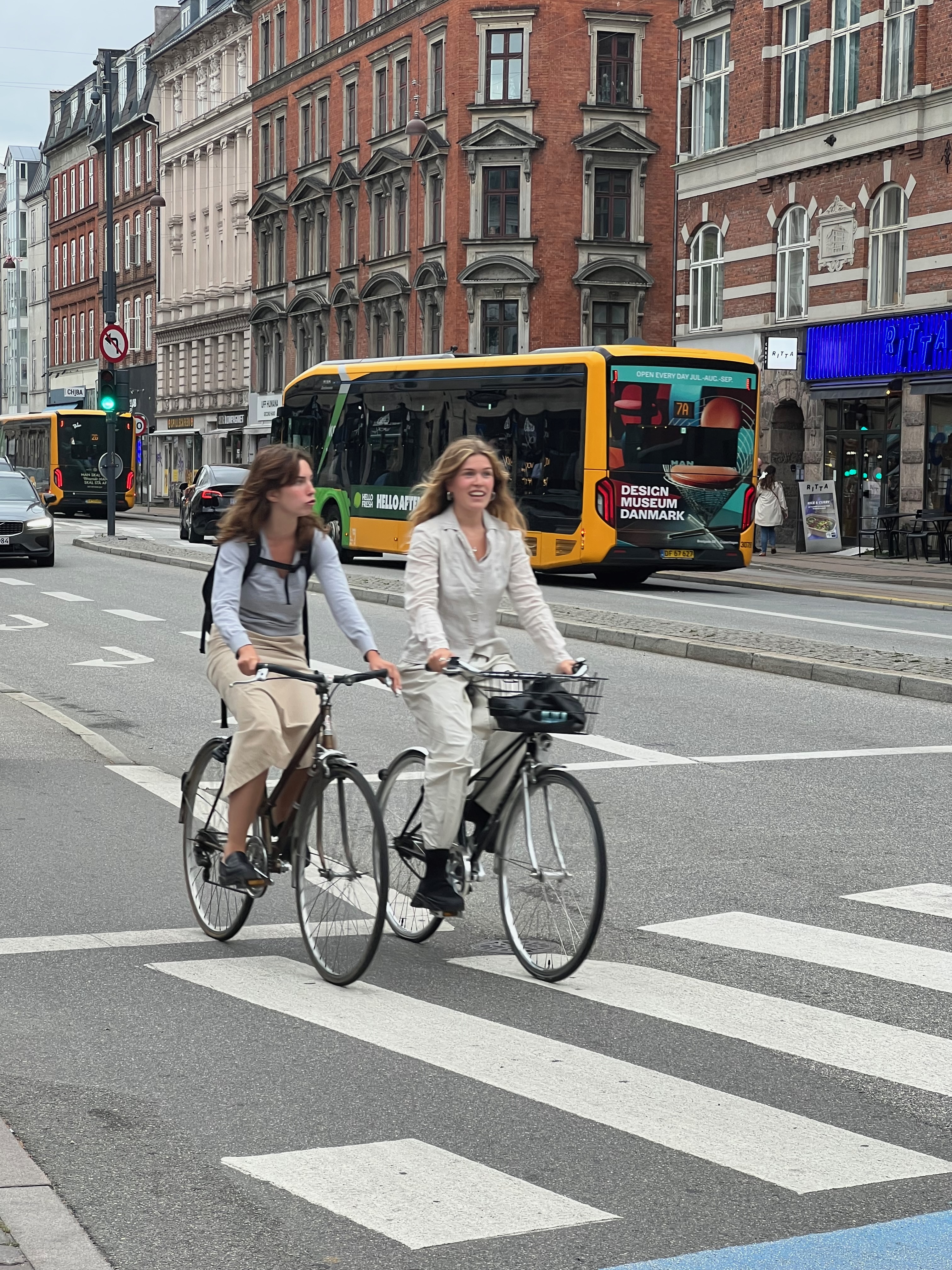 A greater barrier to uptake of cycling in Wellington is hills. Copenhagen is wonderfully flat and a dream to cycle around on a simple push bike. E-bikes take the effort out of Wellington’s hills and are a game changer, but they are also expensive and a target for thieves.
Secondly I would consider accessibility, in its various forms. On sunny days the waterfront areas of Copenhagen were thronged with sunbathers, swimmers and picnickers. If all those people had arrived by car there is no way they would have found parks, and the streets would have been jam packed. But instead there were no traffic snarl ups, just piles of bikes. Getting around by bike means you don’t have to worry about the traffic or parking – you can go anywhere. There’s always a space for a bike.
My take away from this is that cycling can make things more accessible, not less.
I do want to caveat that strongly however by pointing out that Copenhagen’s public transport system is equally excellent. You could also access most places by subway, bus or ferry.
It was also my impression that many of cyclists were people in their 20s and 30s. Certainly I saw older people cycling, as well as parents with kids, and workers with materials, and all sorts. But it’s great to have choices – cycling may not be for everyone.
I was recently saddened to read about a cyclist run down by a large truck at a roundabout in Wellington. The truck driver apparently looked but didn’t see the cyclist riding straight ahead on a cycleway, as the truck went to turn left.
In Copenhagen I observed a roundabout that combined cyclists on the outer ring and cars inside. When cars wanted to leave the roundabout they had to cross the cycleway. The vehicles travelled slowly and cautiously, giving way to any cyclists – and there were a lot.
In Copenhagen, cyclists are the majority and are everywhere. Therefore it is much easier to look out for them, because you expect to see them. In New Zealand, cyclists are still unexpected. Cyclists will continue to be at risk until there is a critical mass of them, such that they cannot be ignored.
Getting to that tipping point will take years. I know there is a school of thought that says cycle ways should be put in as quickly as possible, so that you get the benefit of the network and people start using them. That makes sense but it is very easy to see that there will be a huge adjustment period - of attitude, acceptance, trying out, making places to put bikes – before our cycling culture can get anywhere near that of Copenhagen’s.
Is it worth it? I loved cycling around the flat quaint streets of Copenhagen but I worry that the hills of Wellington, the wind and the rain, make cycling less likely to succeed in the same way. Meanwhile we have cycling’s poor neglected cousin, walking. Wellington is a great place to walk – weird staircases and goat tracks allow you to cut quickly down through the hills. I’m not saying we should give up on cycling but perhaps walking is the real super power we should be leaning into, rather than cycling.
Finally, I would like to say something about cycleway design. There is much debate in Wellington about the rights and wrongs of cycleway design. Therefore I was very keen to see how the experts did it, in a city obsessed with design.
Interestingly, the Danes seem to use a design that is often panned here – the cycleway separated from moving vehicles by parked cars. The idea with this is that the row of parked cars provide an additional barrier for cyclists from the moving traffic.
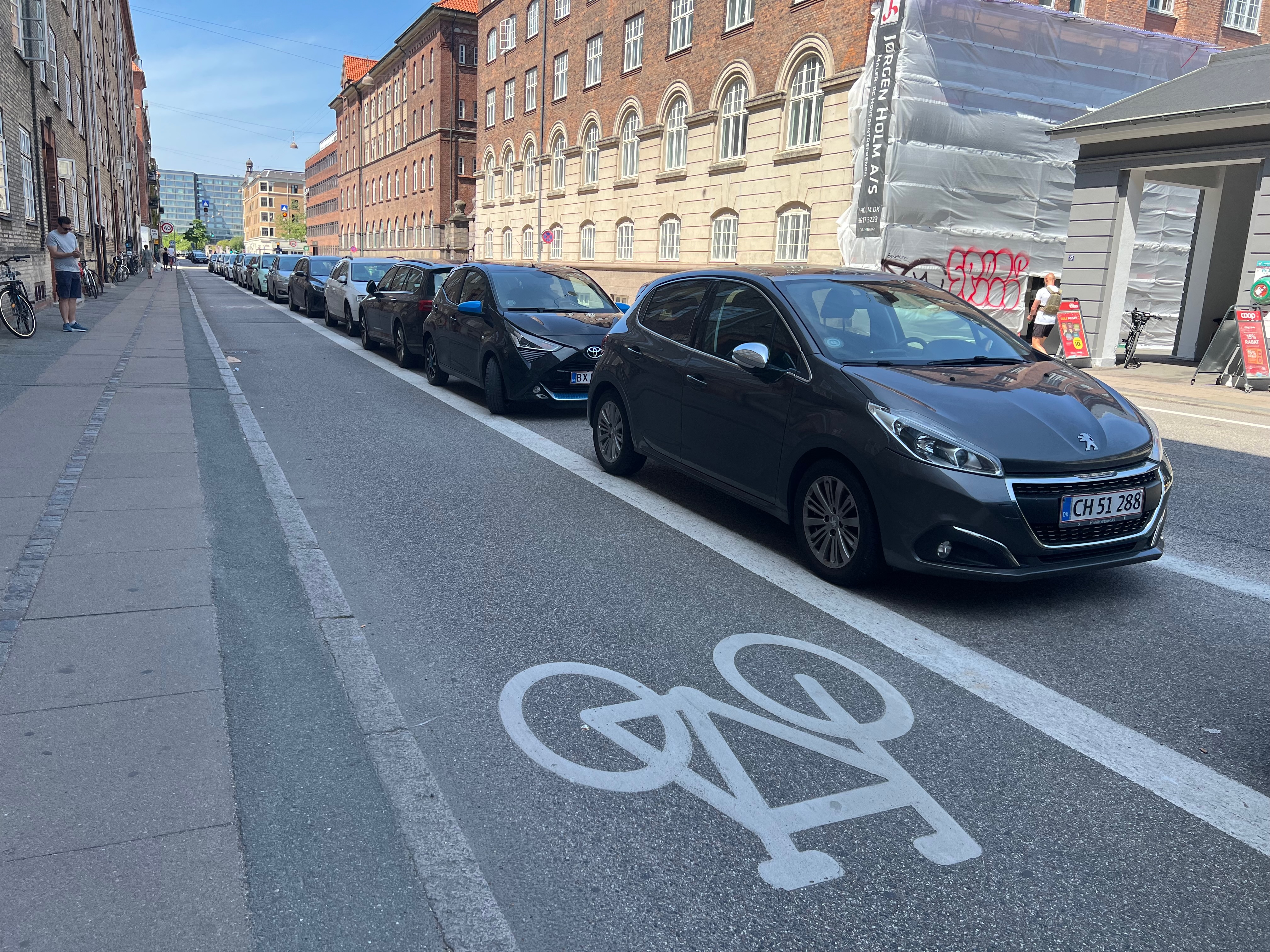 Criticisms here are that it means those in the car have to cross a cycleway to get to the curb. Well it’s no different in Copenhagen, except there are a hundred times more cyclists! I watched one family get out of an Uber and then wait nervously for a break in the cycle traffic to get to the safety of the pavement. I guess they just accept it.
I came away from Copenhagen awed by its transport systems. Although the number of bikes certainly grabs your attention, it’s really only part of the picture. Public transport in general is superb and the result is a city that is incredibly easy to navigate and a joy to be in.