
In this third installment of a series on Copenhagen, Jane O’Loughlin looks at how the Danes approach urban design.
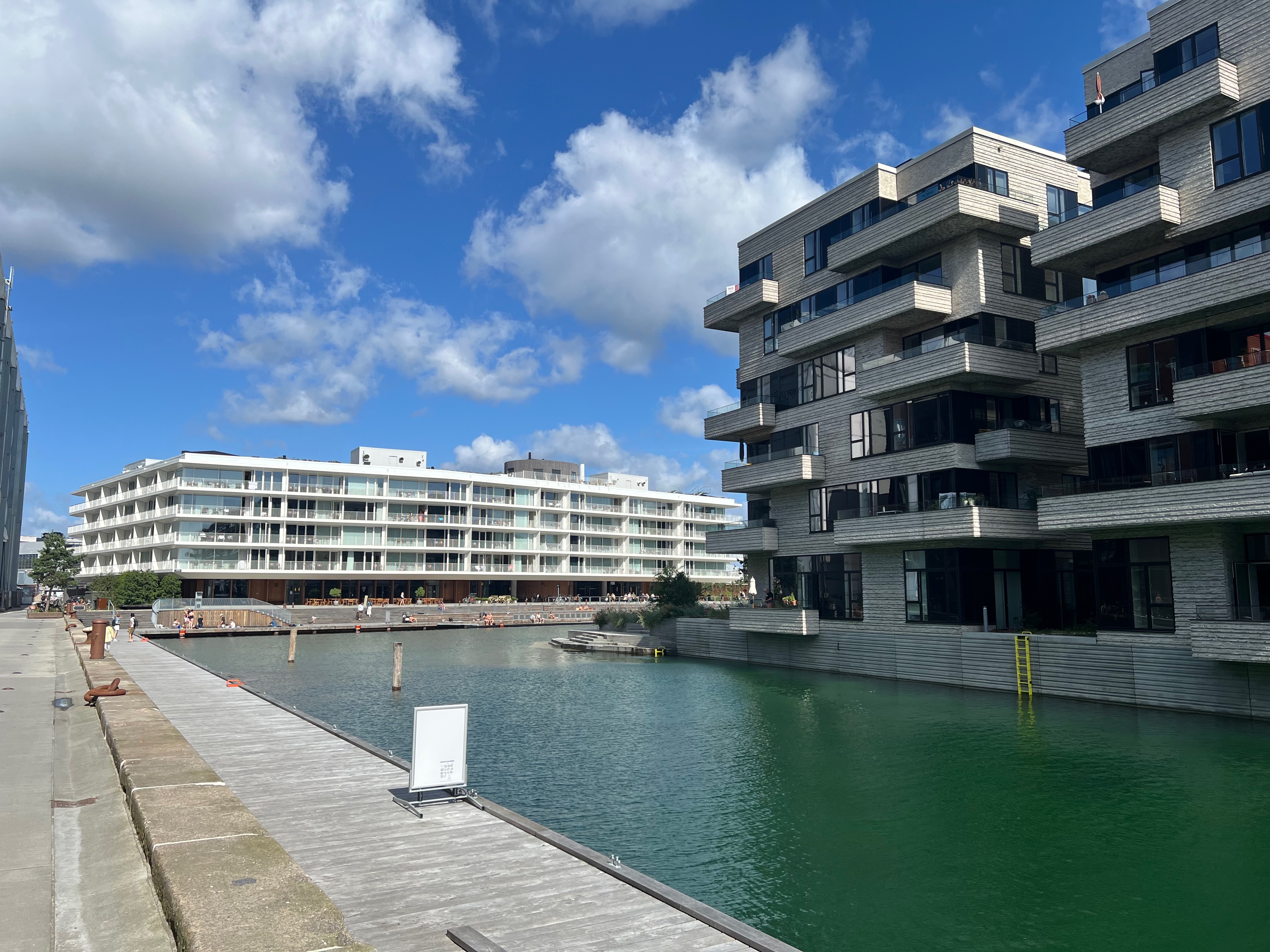

The Danish Architecture Centre is a large building set in a distinctive building on Copenhagen’s inner harbour. The exhibitions inside recount the history of Danish product design, architecture and urban planning, and explore current issues like sustainable construction.
It’s clear from the exhibition on Danish design history that a turning point for Denmark was the commissioning of Jørn Utzon to design the Sydney Opera House. From that point, the world started to take notice of Danish designers, and Danish design became a force to be reckoned with.
Jan Gehl
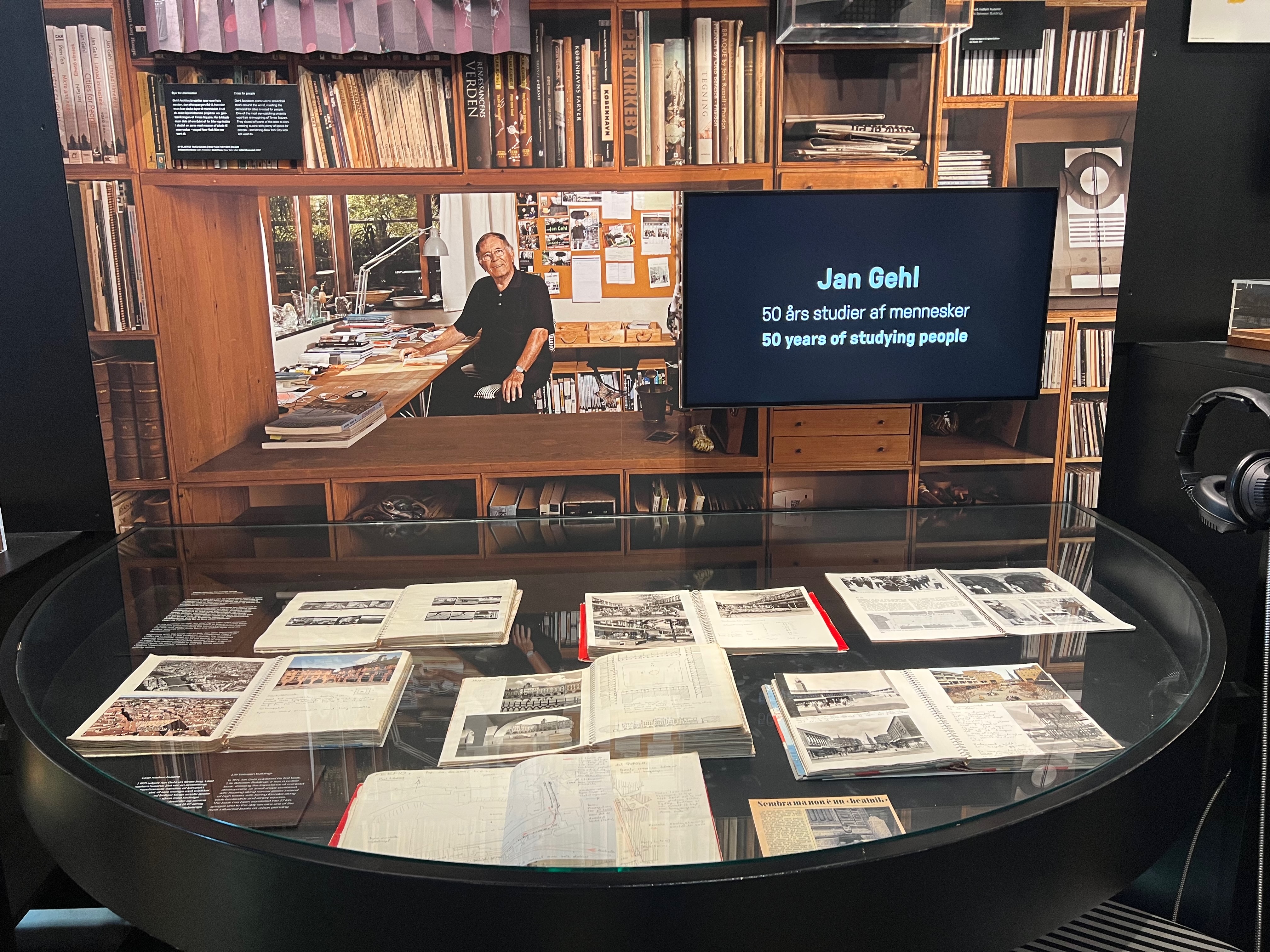
But for me the highlight of the exhibition was the small section about urban designer Jan Gehl. The author of books such as ‘Life Between Buildings’ and ‘Cities for People’, Jan Gehl is one of the people (like Jane Jacobs) that has spent time closely observing how the design of streets and buildings affects how people behave. When outdoor areas are high quality, he says, people will spend time, sit down, interact and enjoy themselves. When those areas are low quality, people will do the bare minimum, and then hurry home.
His maxim: ‘first we shape cities; then they shape us’ has always rung true for me. If we want to create cities that are lively, safe, sustainable and healthy, they don’t happen by accident: careful design is key.
I was interested to see how Jan Gehl’s approach to urban design had influenced his home city of Copenhagen, particularly in the newer areas of the city. While the old city is charming, its design derives from the realities of life 200 years ago when it was built – few cars meant narrower streets, no elevators meant buildings tended to go no higher than six or seven stories.
What is interesting to me is to see how modern Copenhagen approaches new build areas - when the options for development are so much greater.
A modern Copenhagen suburb
As luck would have it, I was staying for most of my time about ten minutes (by Metro) south of central city, by the airport, in an area of relatively recent urban development.
Given the airport location, I was braced for some grim industrial wasteland with a conference centre plonked in the middle, or the typical kind of soulless suburb you might find on the outskirts of a city in New Zealand, with no shops for miles.
It couldn’t be more different in this area of Copenhagen called Ørestad City. With the super efficient Metro line at its heart, high density development was within easy walking distance.
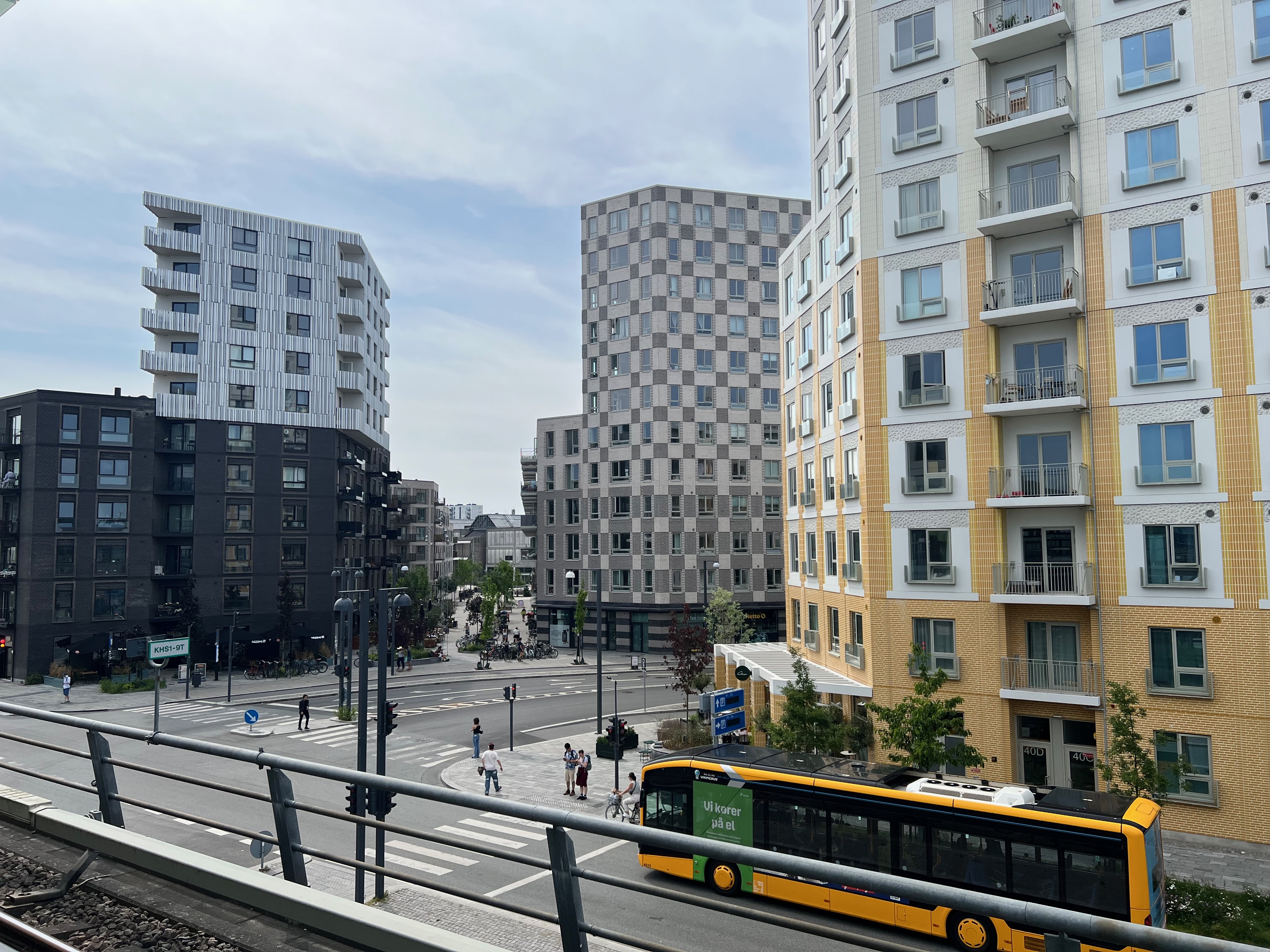
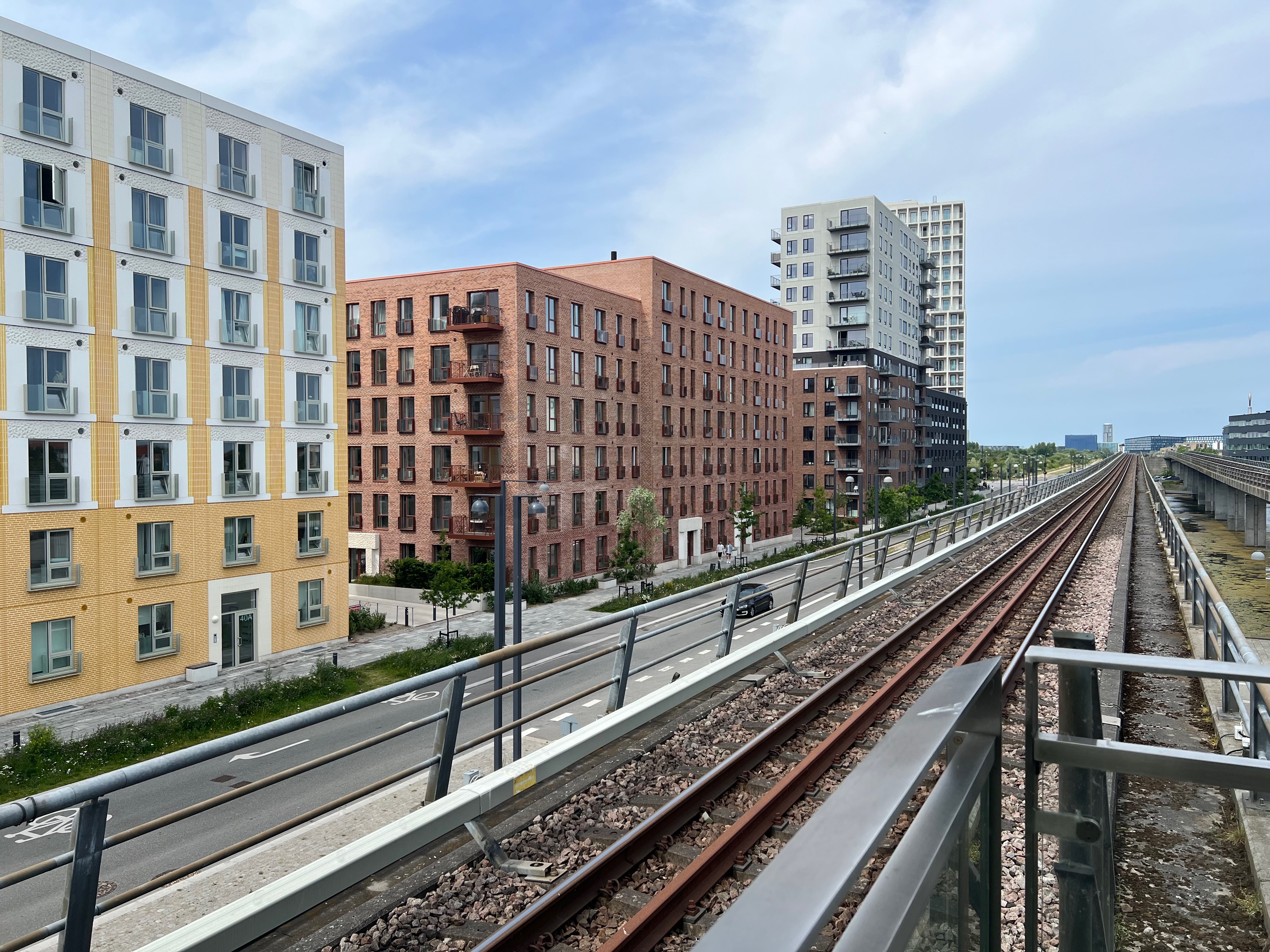
Following a master plan, the residential buildings were all a similar height, and carefully set out to encourage walking and cycling. I walked through playgrounds and sports fields to access a nearby mall, but there were also a range of restaurants, a supermarket and other shops nearby which meant you didn’t feel like you had to head to the city centre for basic shopping or a meal out. The spaces between buildings – so important to Jan Gehl – were set out to allow for places to sit and relax, and were enjoyable to walk through.
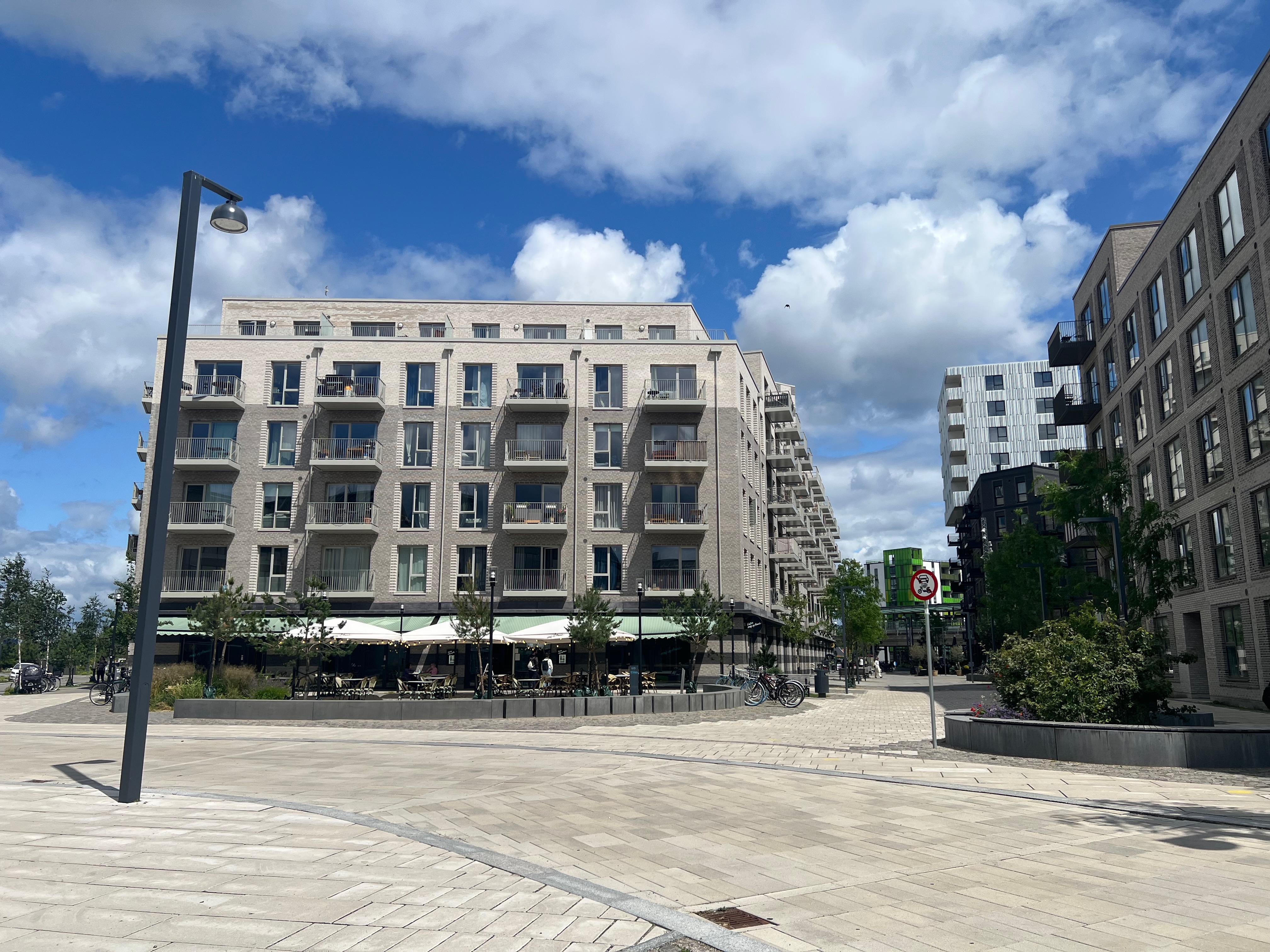
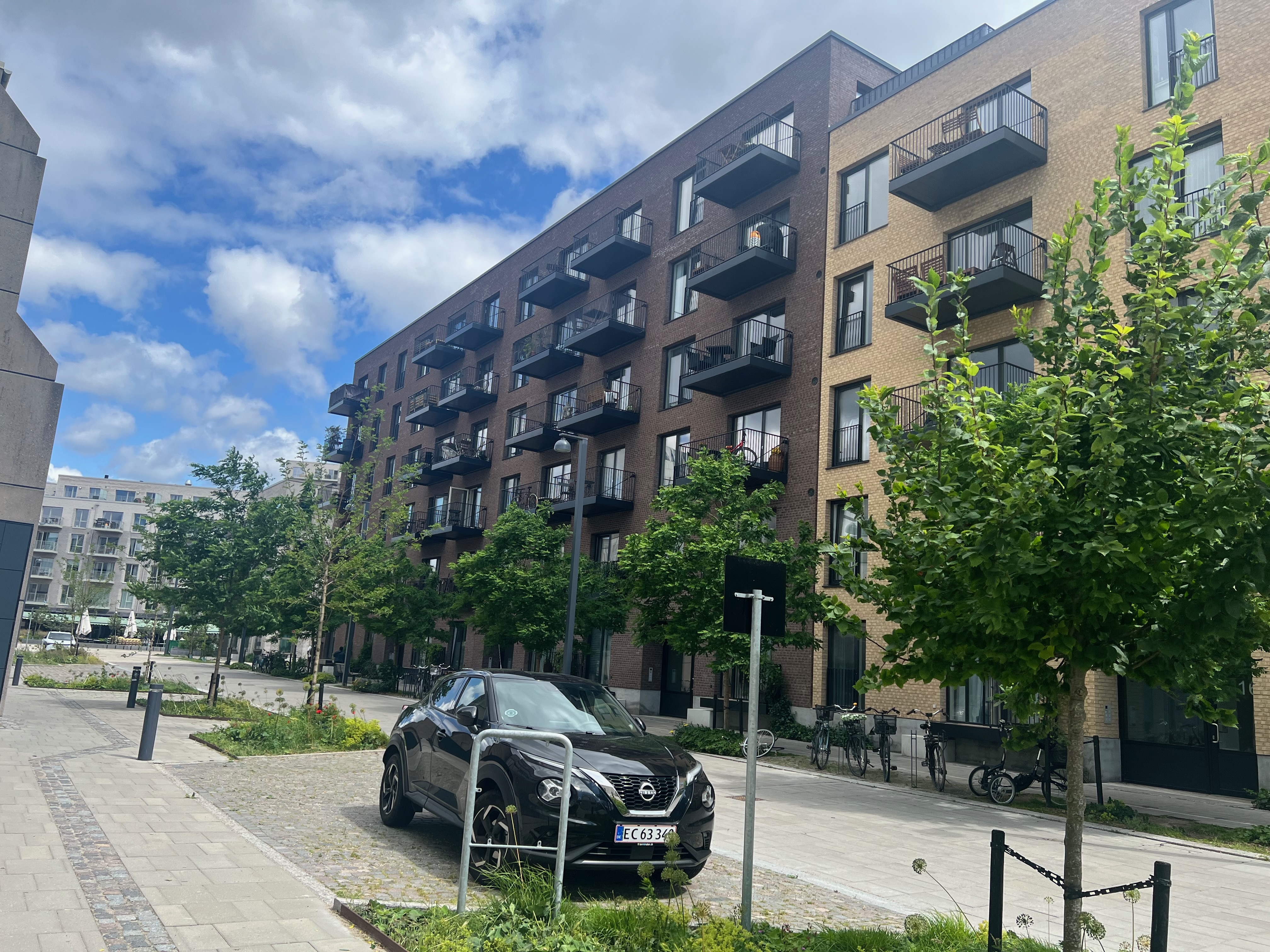
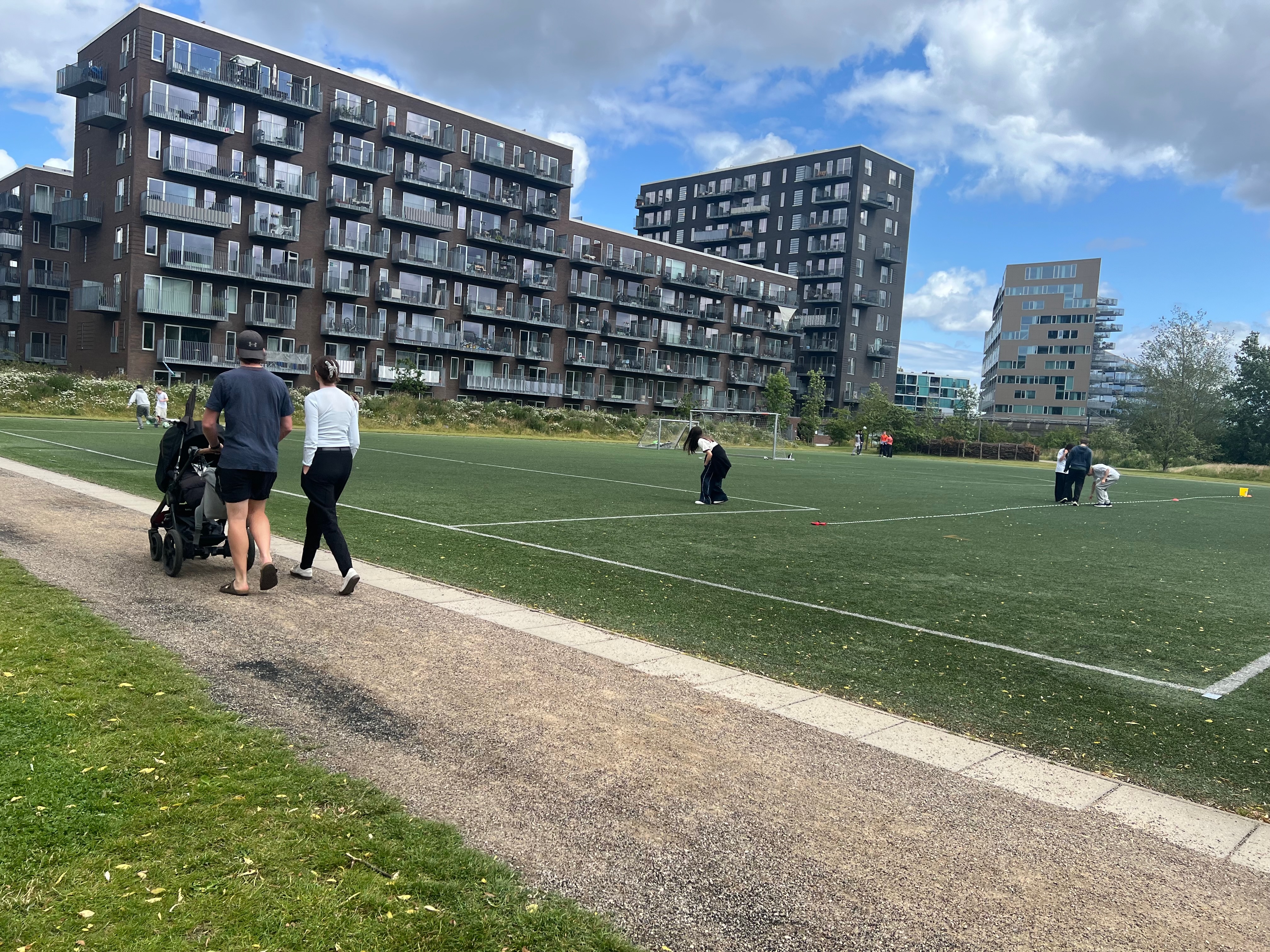
For an airport-adjacent suburb, it was surprisingly appealing, and made me realise that modern suburbs can certainly be designed to have a heart and soul.
Five minute sustainable city
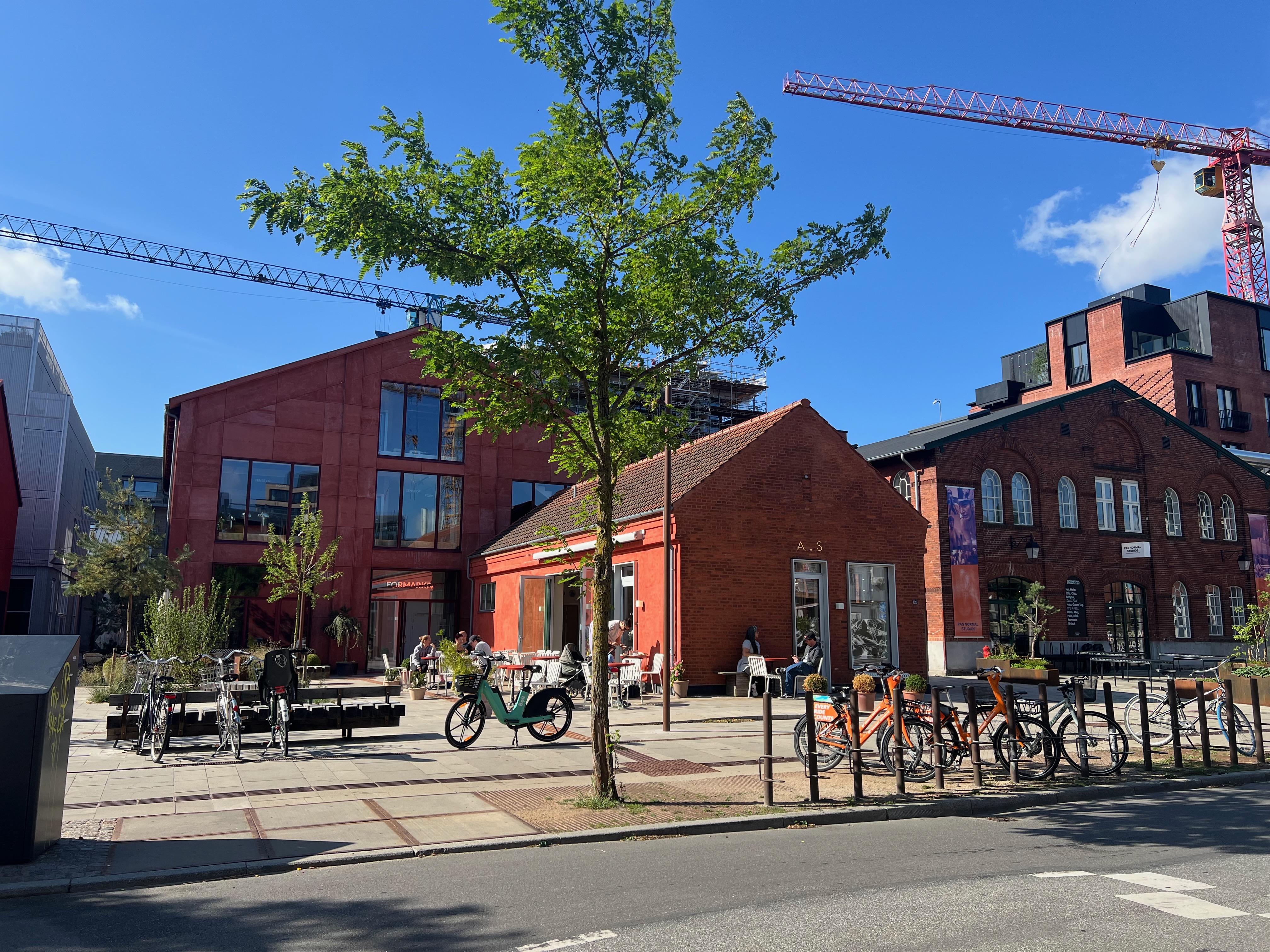
My other experience of modern Danish residential design was my visit to Nordhavn, a new area often touted as a Danish exemplar development, with the city’s tourism body describing it as the “modern and innovative face of Copenhagen”.
A Guardian article explained that a team of architects and designers won a competition to design the new suburb out of a formerly industrial port area, and how they decided to design it so that most of a person's daily requirements (offices, schools, retail, cafes) could be found within 5 minutes’ walk of the metro station.
The degree of control exerted by the design group included buying the ground floor leases of buildings so they could curate the shops that would occupy then, and keep chain stores out. In other words, nothing is left to chance, in this exemplary neighbourhood.
So what did I think? No doubt I was influenced by visiting the area on a stunning sunny Sunday morning, but I was certainly wowed.
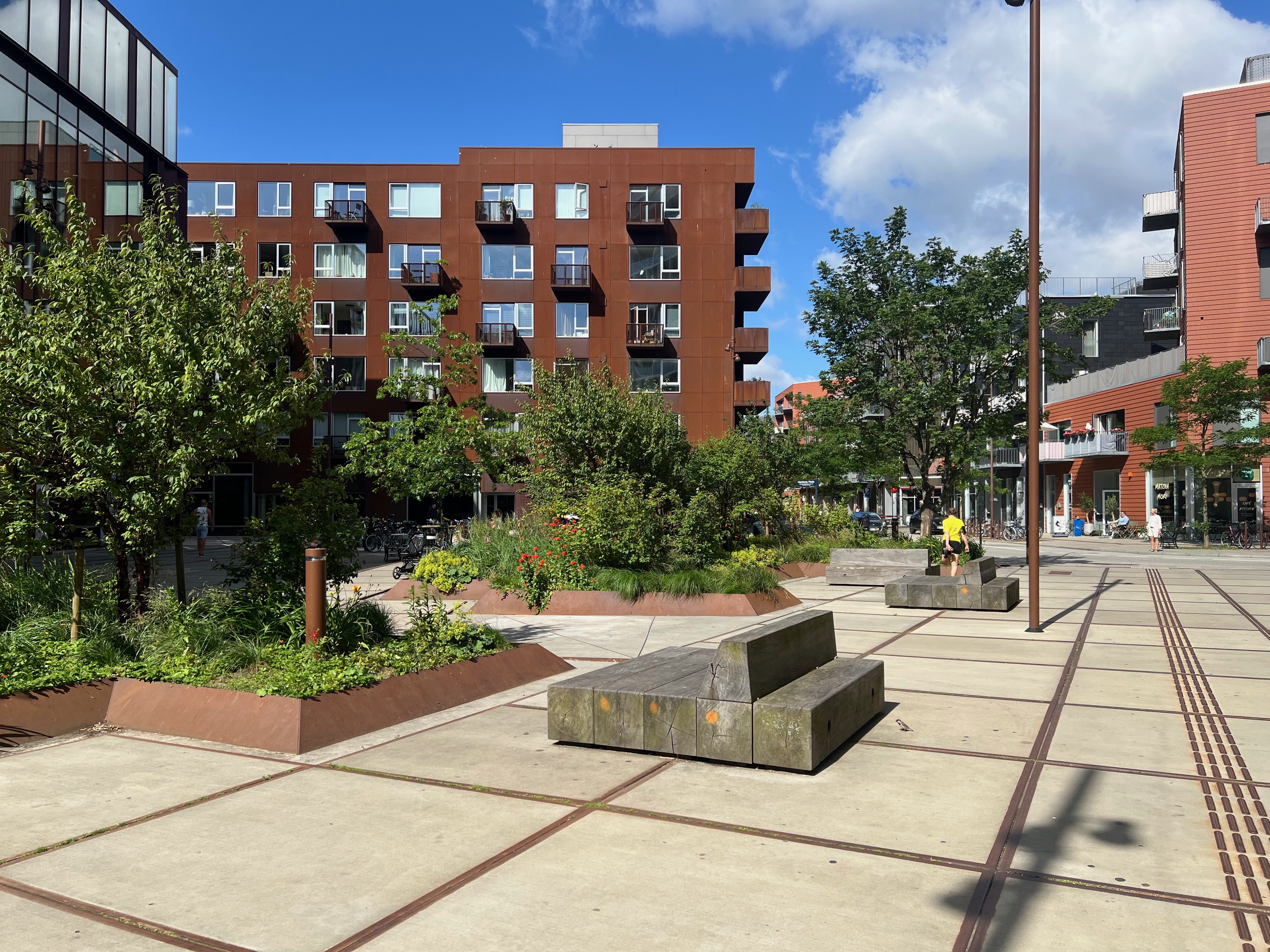
Old industrial brick buildings have been tastefully repurposed into shops and residential buildings, supplemented by new buildings designed to fit into the colour scheme and style.
Cars are practically absent. You can get there by Metro, and use bikes or walking for shorter trips around the area.
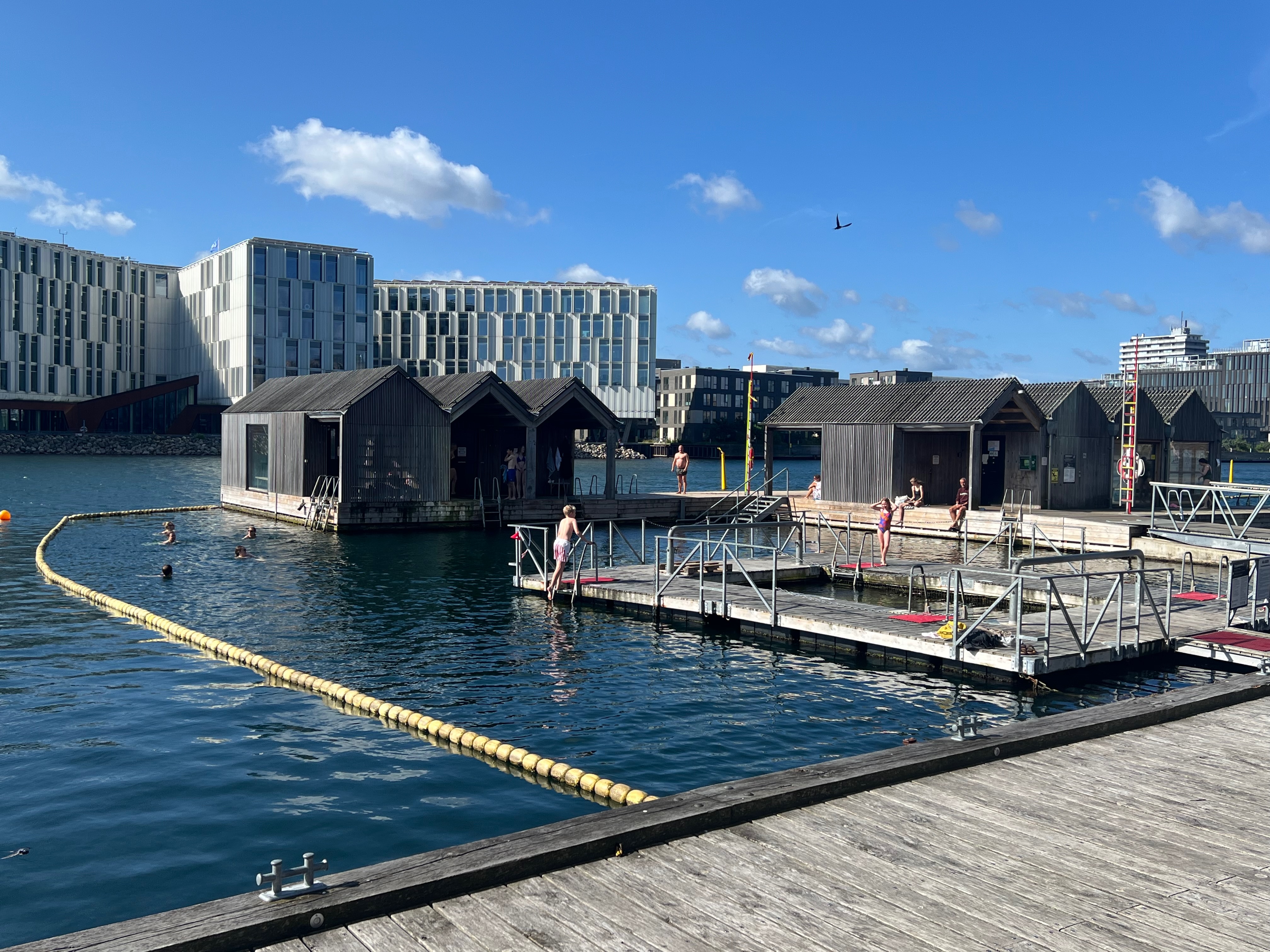
The suburb capitalises on its waterside location. Swimming platforms allow easy access to the harbour and locals make the most of it, with dozens out swimming even early in the day.
Following your dip you can saunter off to a trendy café and get your Danish pastry and a coffee. There’s an upmarket supermarket and other trendy boutiques to explore.
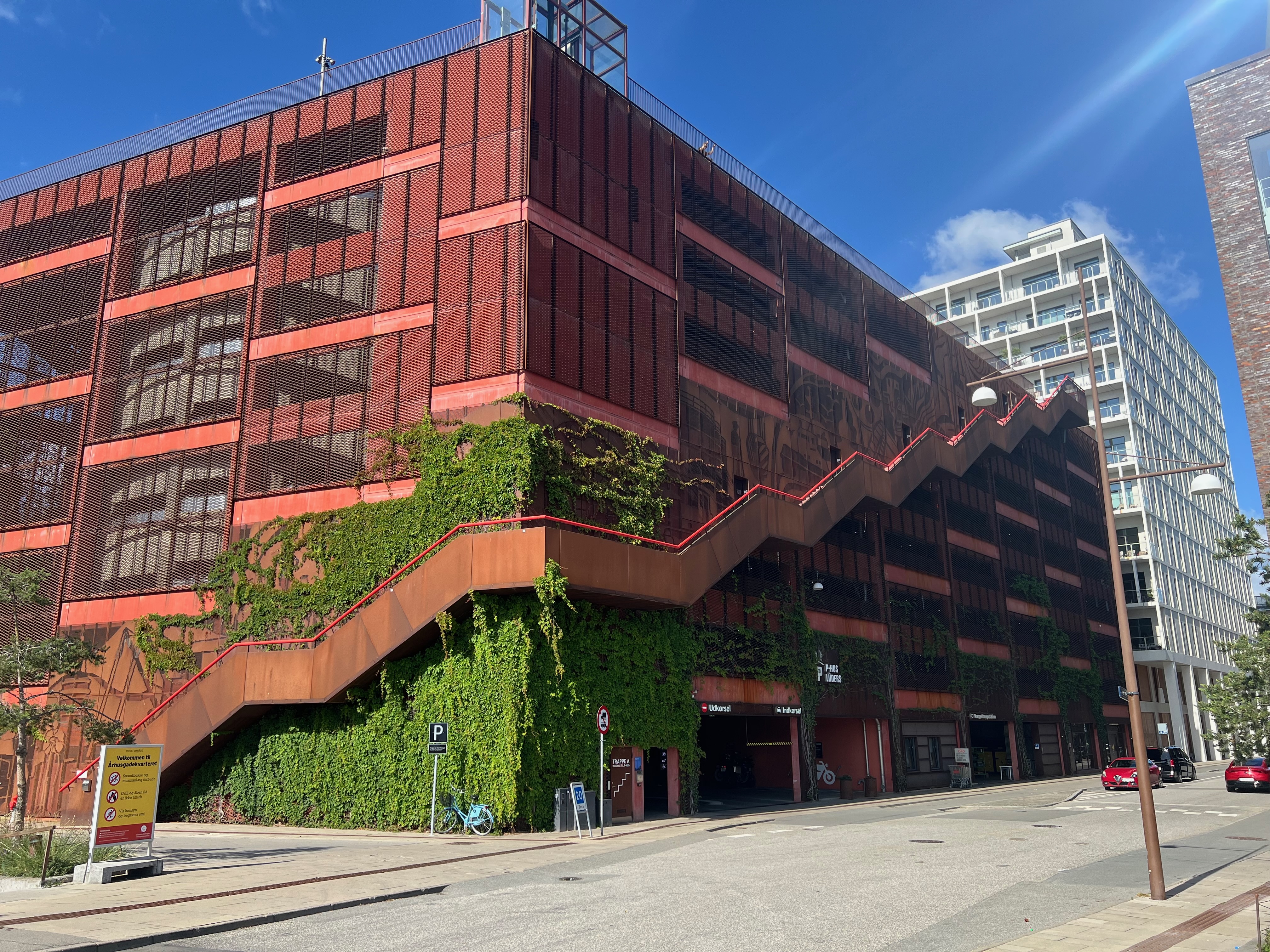
Those seeking more exercise can run up the stairs along the side of a cleverly disguised carparking building to access a kids’ playground and adults’ exercise zone on the top of the building.
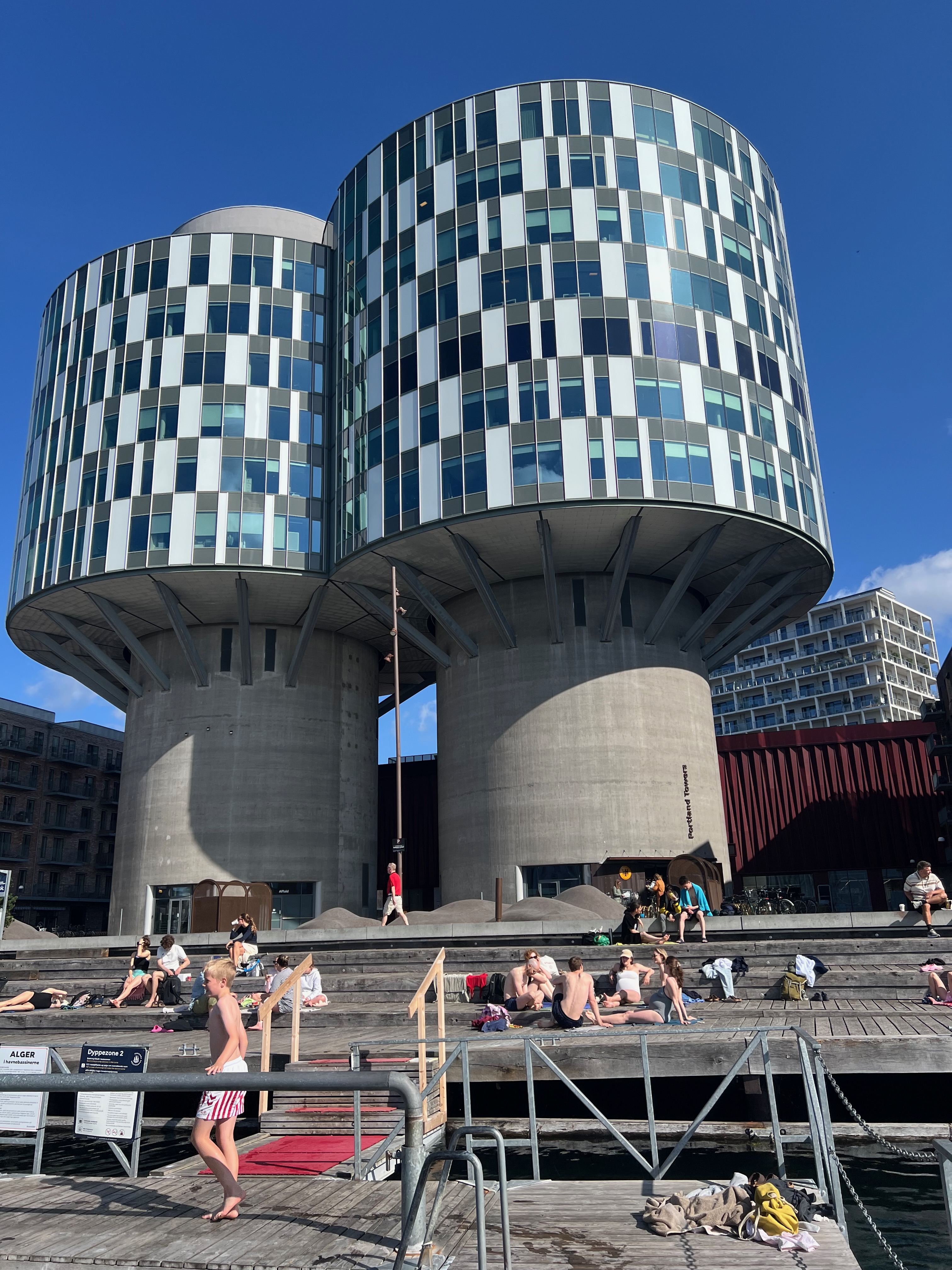
The neighbourhood is known for its sustainability – an iconic building is the Portland Towers, former cement silos turned into office blocks with stunning views. Shock horror - apparently it is not necessary to bulldoze old structures - they can be re-purposed.
As you can probably tell, I was suitably impressed. Everything seemed well thought out, and above all it was fun and liveable - recreation and beauty were are your doorstep. What a wonderful way to live.
Valuing design
My takeaway from all this? Design pays off. Having a vision for a whole area – and a way of ensuring it can be implemented - means it can be designed as a cohesive whole, creating valuable amenity for residents as well as the houses the city needs.
It can transform an area, attracting people and creating value. Surely there is a lesson for Wellington?