
What can Wellington learn from the world’s most liveable city?
In a series of articles LIVE WELLington convenor Jane O’Loughlin reflects on her experience of urban planning and design in Copenhagen, and considers what New Zealand could learn.
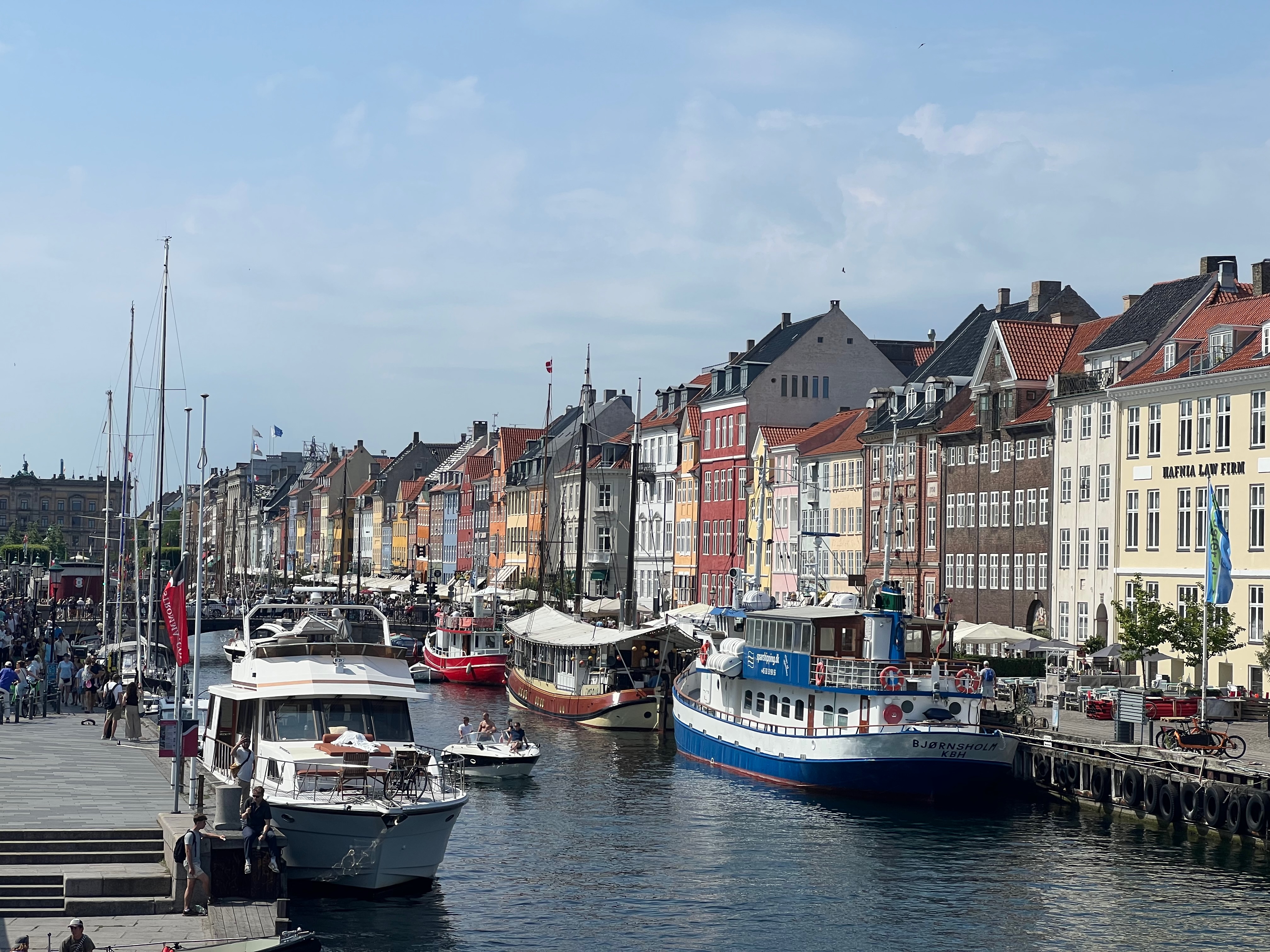
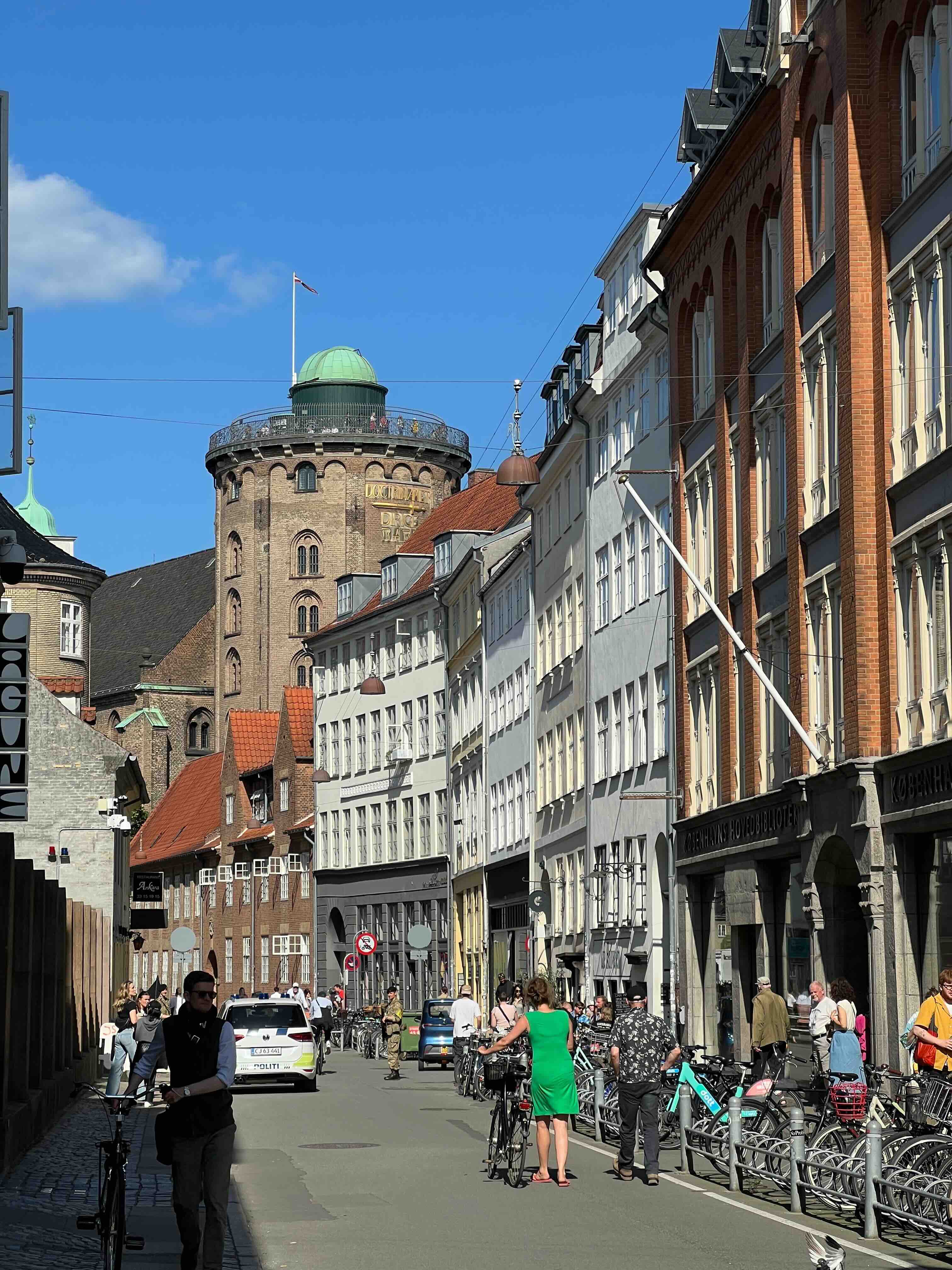
I recently travelled to Copenhagen for work, along with some colleagues. On our first day, my workmate sent me a text: “I love this city so much I’ve cried with happiness… Nothing can make me leave – apart from my children and the fact I can’t remember which way to look crossing roads.”
This pretty much summed up my reaction to the Danish capital as well. On a gloriously hot summer’s day, I emerged from the subway station into the central city area, most of which was built in the 1800s. Candy-coloured buildings lined quaint cobbled stoned streets. Beautiful people rode by on cool bicycles, helmetless and stylish. Other beautiful people sat outside cafes and sipped lagers.
As I rattled my suitcase along the cobblestones I marvelled at how clean, efficient and well-designed everything seemed to be, and yet how the history of the city was evidently respected, and its heritage carefully maintained – was this the perfect city?
The Economist thought so: just before I arrived, Copenhagen had been named the world’s most liveable city, with perfect scores of 100 for stability, education and infrastructure, and high scores for the other metrics of healthcare and culture and environment.
Coming from Wellington, where basic functioning water infrastructure seems beyond us, and we are keen to get the bulldozers out for heritage buildings, I was keen to know what secrets the world’s top liveable city might hold. But I wasn’t there to interrogate its social security, health and education systems – I was more interested in the urban landscape, which famously enabled the cyclist and pedestrian, and was the product of the acclaimed Danish focus on good design. Was it really that good? Was it something Wellington should try and emulate? And if so, was that even possible?
In between my work commitments, I explored this old metropolis to see what it had to offer in terms of insights into city liveability and urban design secrets.
Comparing New Zealand cities to European cities often gets our locals riled – it’s completely different over there, we say. The usual excuses for why we can’t live like Europeans, riding bikes and living in apartments go something like this:
- their quirks or advantages (eg narrow streets, town squares) are a result of their age – not something we can emulate in our comparatively young cities
- Their climate is better than ours (cycling makes sense)
- New Zealanders don’t like living in apartments – they like green spaces.
I therefore approached my study with an open mind – were Danish people just lucky, or wired-differently?
What I found was a city that was carefully designed, easy to navigate and continuing to innovate.
In further instalments, I’ll cover off three urban design questions:
- Could Wellington emulate Copenhagen’s cycling culture?
- How does Copenhagen do density and what can we learn?
- How do they deal with heritage and old buildings?
Note that this isn’t an academic appraisal, it’s just the thoughts of someone who cares deeply about urban design and hopes that one day Wellington can also win acclaim as a liveable city.